Sometimes, the most beautiful stories are bound in the most unlikely materials.
Art is often framed as a pursuit of freedom, yet it is ironically tethered to the physical constraints of our supplies. We are bound by budgets, the ecological footprint of our materials, and, most personally, the unique way our bodies react to the chemicals and textures we work with.
We often box ourselves in, saying, “I’m an acrylic artist” or “I only work in watercolor.” But what if we let go of the pressure to use the “perfect” supplies and began seeing the hidden potential in what others leave behind? Experimenting with unfamiliar materials without instructions can feel like entering uncharted waters, and that uncertainty is often where the real magic happens.
The Philosophy of Art Donation
My journey into this mindset began with a generous invitation from my friend Linda Powers. She opened her home to fellow artists, acting as a steward for another artist who was downsizing. She added her own stash to the generous tables. Her yard was a treasure trove of paper, acrylics, alcohol inks, stamps, charcoals, and more.
As I sifted through the piles, I was reminded that artists rarely like to return items that didn’t “click” with them. Instead, these materials languish or get donated. As I gathered my haul, Linda issued a challenge that changed my perspective: “I’d like to see what you can do with this material.”
Testing the Limits
I brought the stash home and began to experiment. I started with the alcohol inks, but in an unventilated room, the fumes triggered my allergies, forcing a hasty trip to the pharmacy. I first used them on absorbent paper, and that did not go well. So, I used vellum that I had picked from the pile. I used a straw to move the quick drying paint, but I ended up sneezing all day. A quick lesson learned: some materials simply aren’t meant indoors or for me, and I was deeply grateful I hadn’t spent a dime on them.
Next, I turned to the acrylics. I had picked out three tubes that looked plump, but once opened, two were bone dry. Another lesson: always check the cap!
Dancing with “Unfriendly” Paper
Then there was the paper. Linda had pointed out a specific stack, warning me it was stubborn and refused to absorb water in the traditional way. It looked like thick watercolor paper, but we could not understand its purpose, and it had a mind of its own. But instead of discarding it, I remembered her encouragement: “Try it, and if you wish to have more, I have rolls of them.”
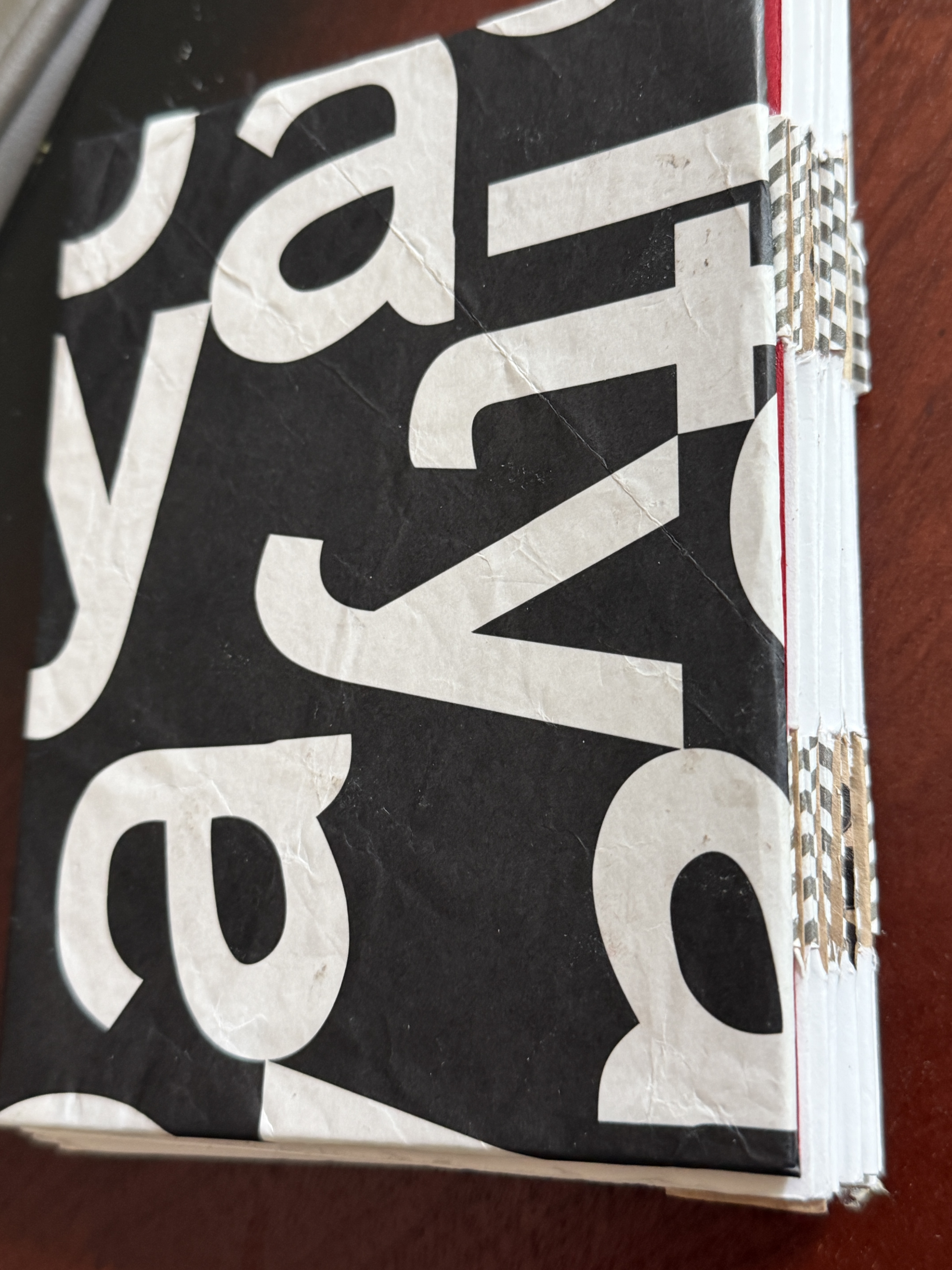
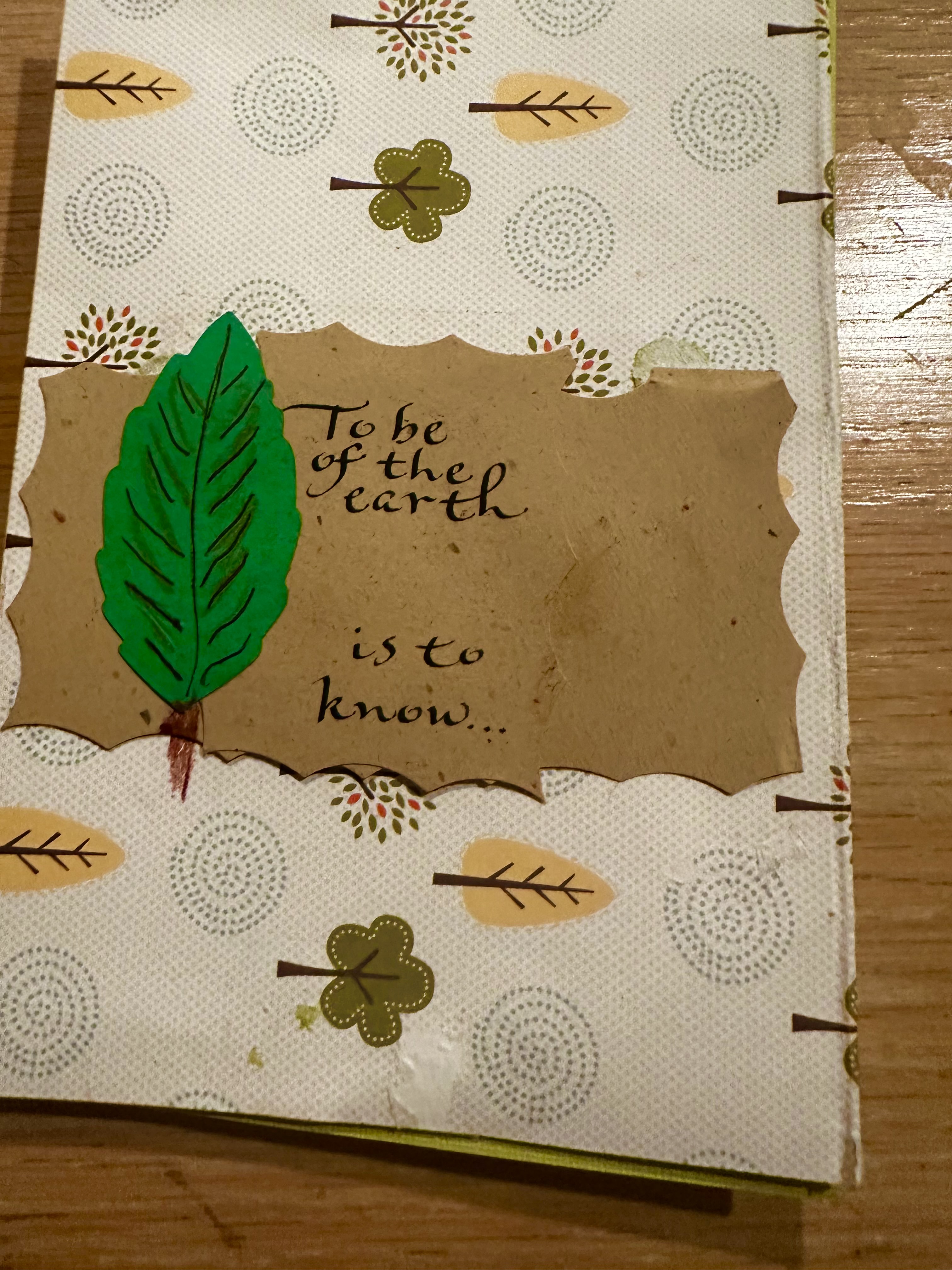
I decided to lean into the challenge. I used a spray bottle to douse it with a water-pigment mix, making the paper pliable. While it wouldn’t let the watercolor “do its thing” in the way I expected, it offered a different kind of freedom. Its thick, sturdy nature made for a perfect, rigid cover, far superior to the “wimpy” paper I had been using before. I chuckled thinking it gives new meaning to the phrase “not judging a book by its cover.” In this case, the material itself became the perfect cover, teaching me that a supply isn’t “bad”—it just requires a different conversation. I do so love the cover.
The Rabbit-hole of What-ifs
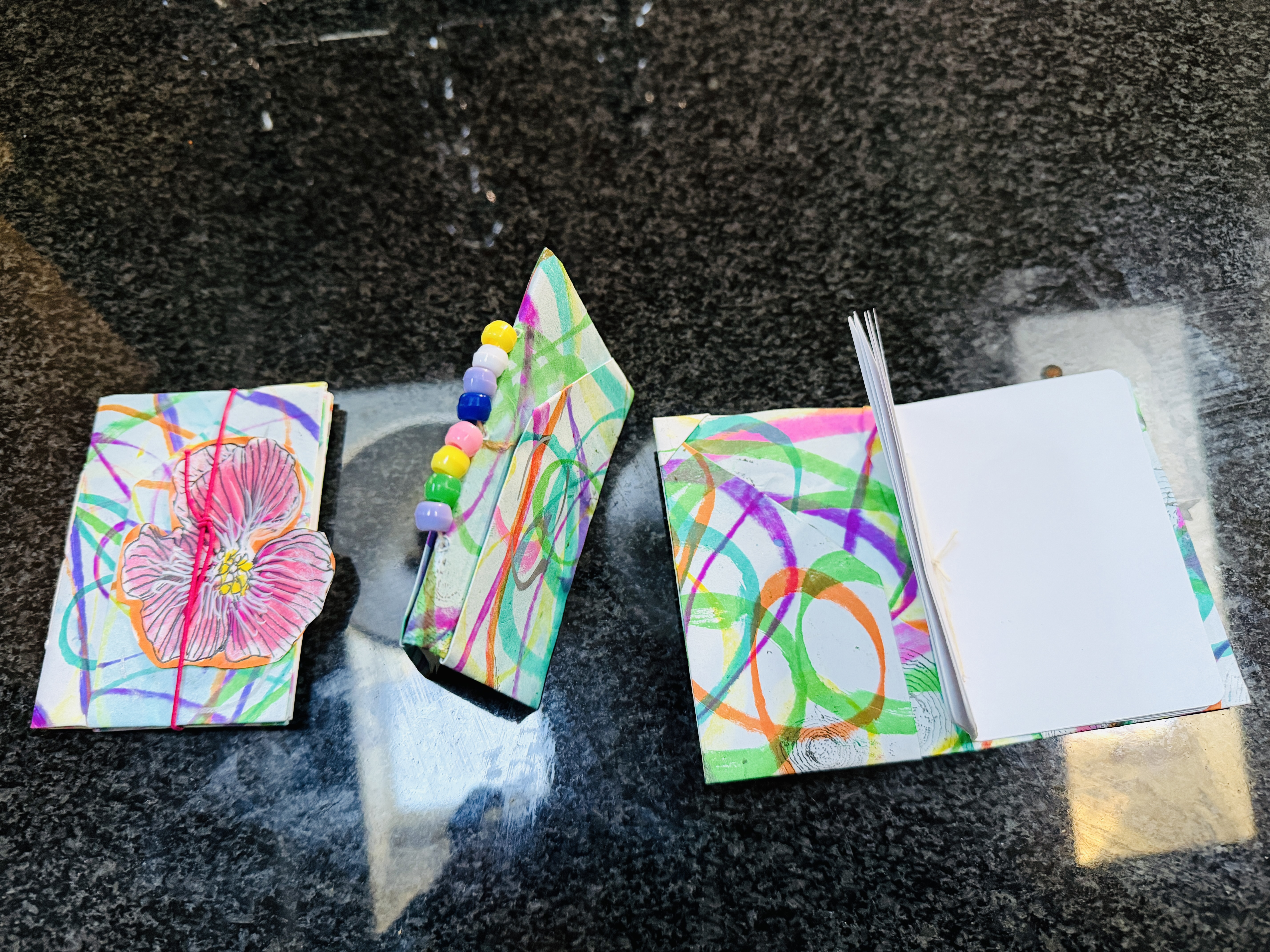
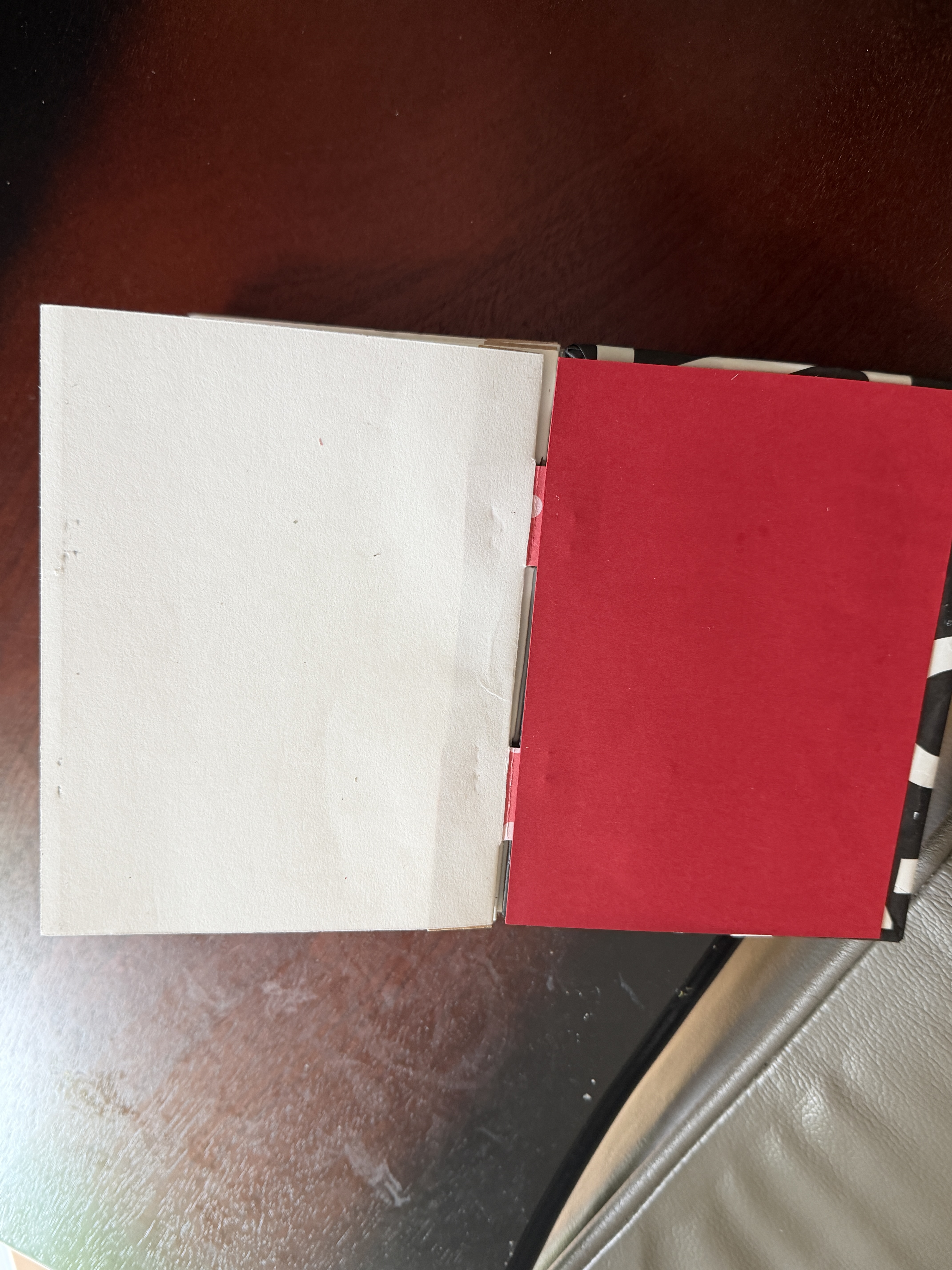
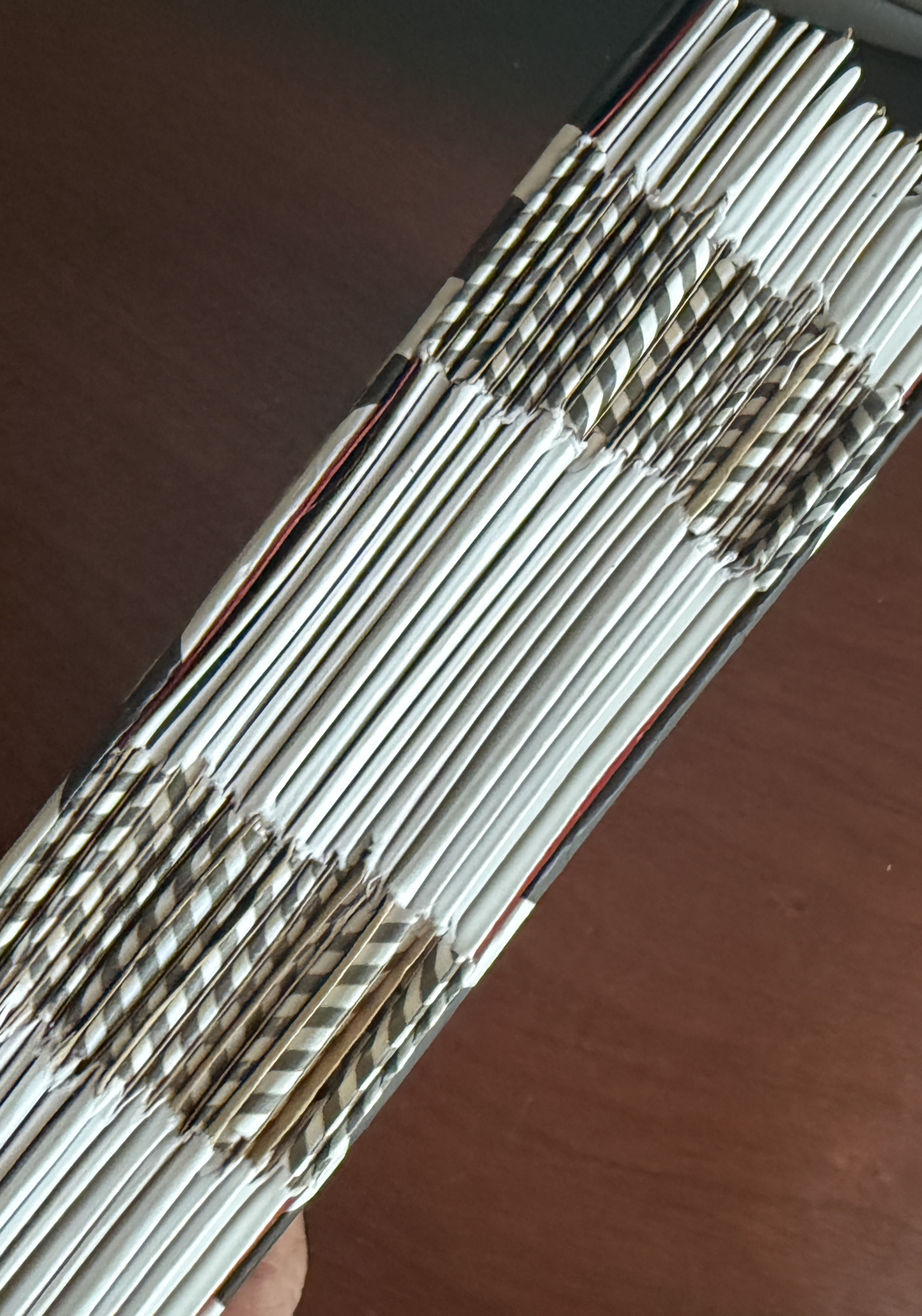
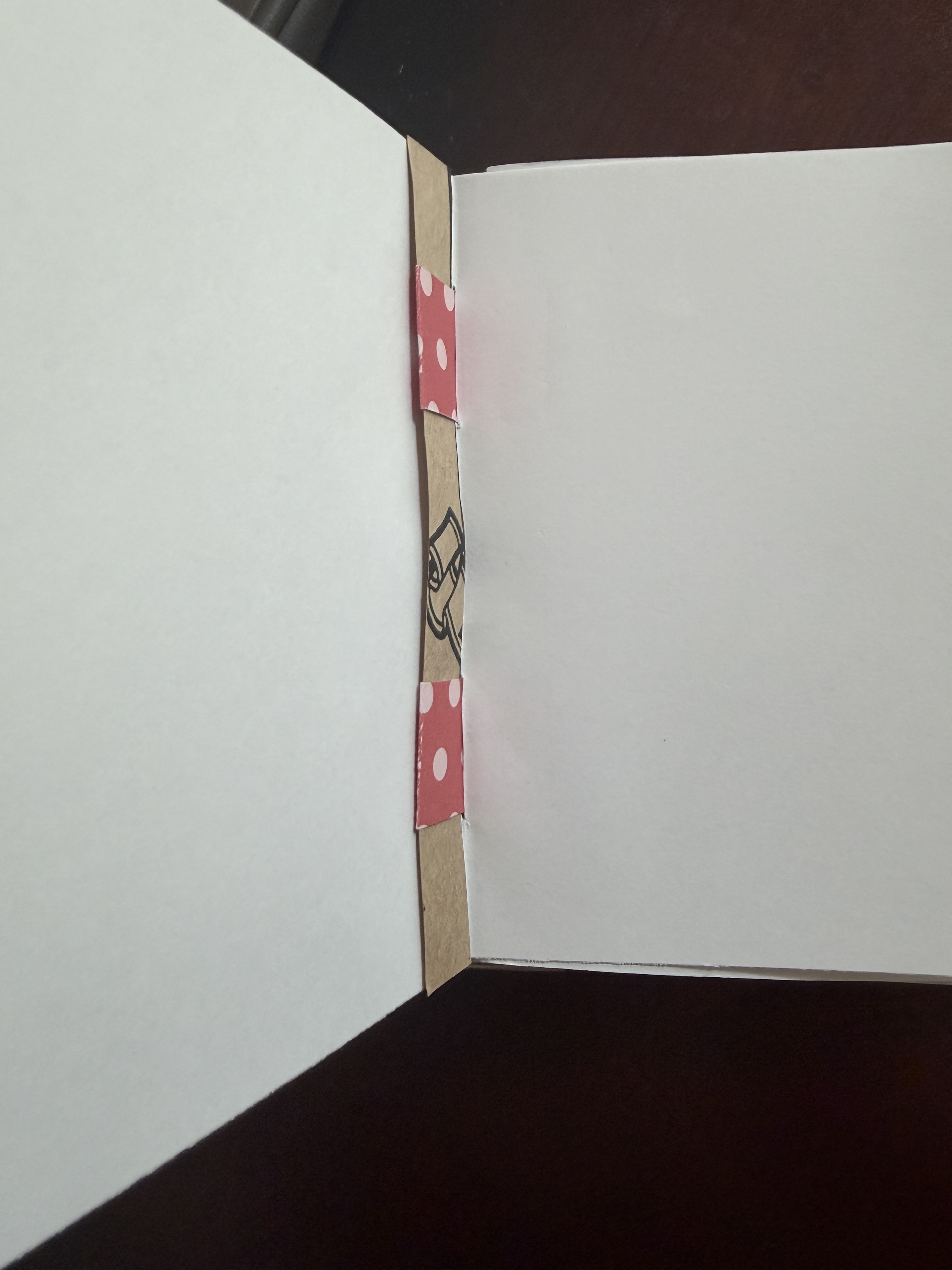
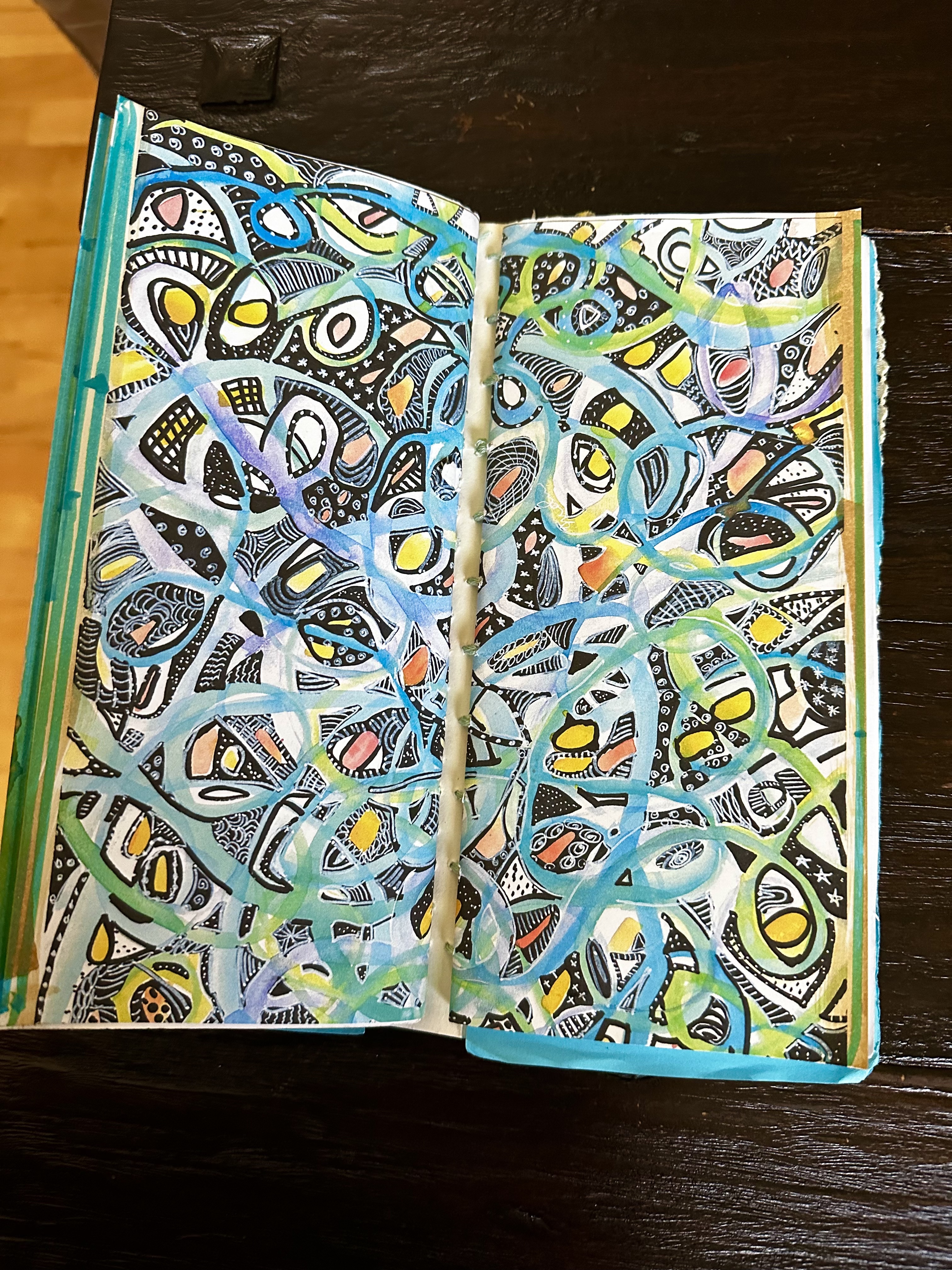
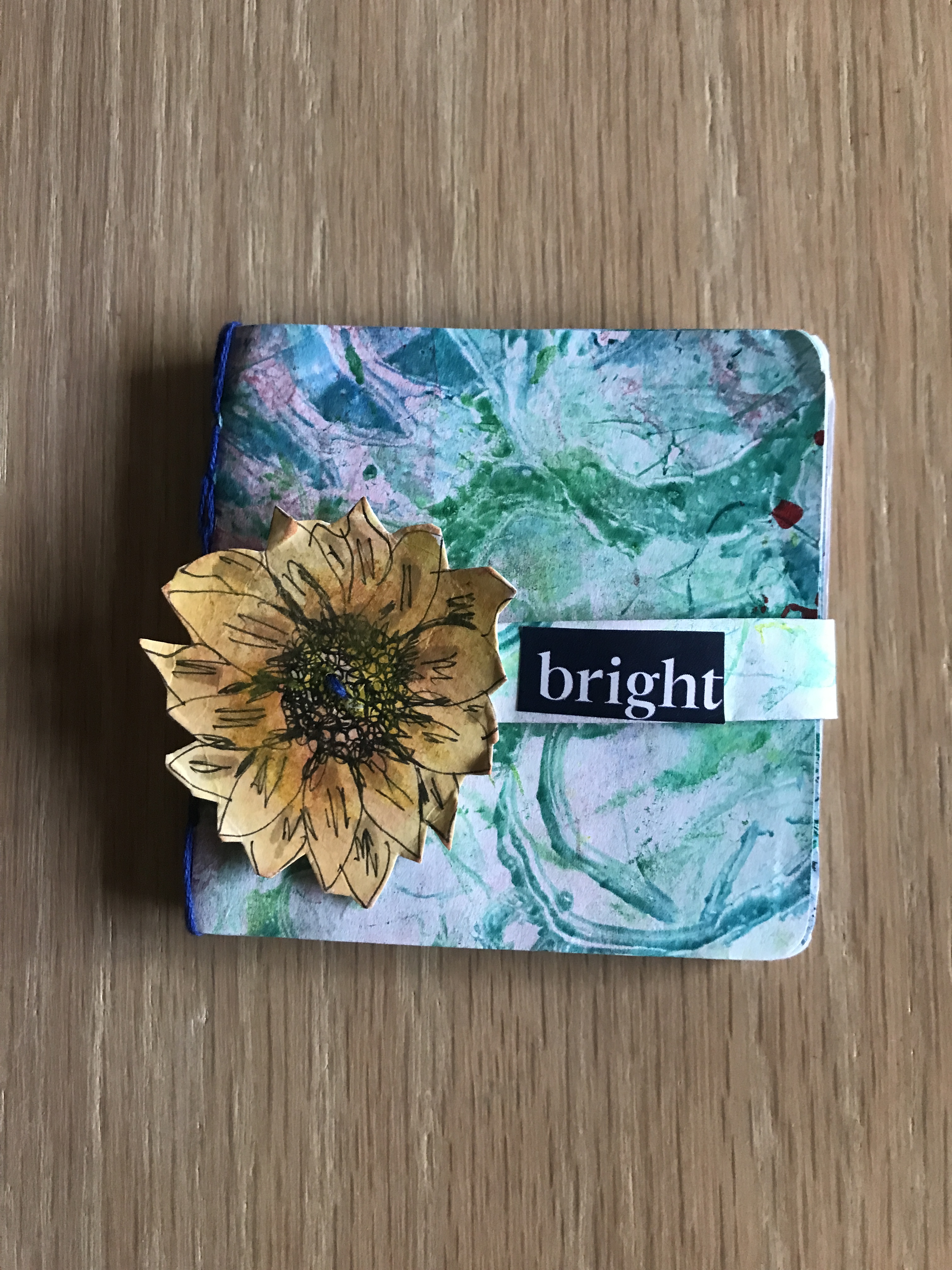
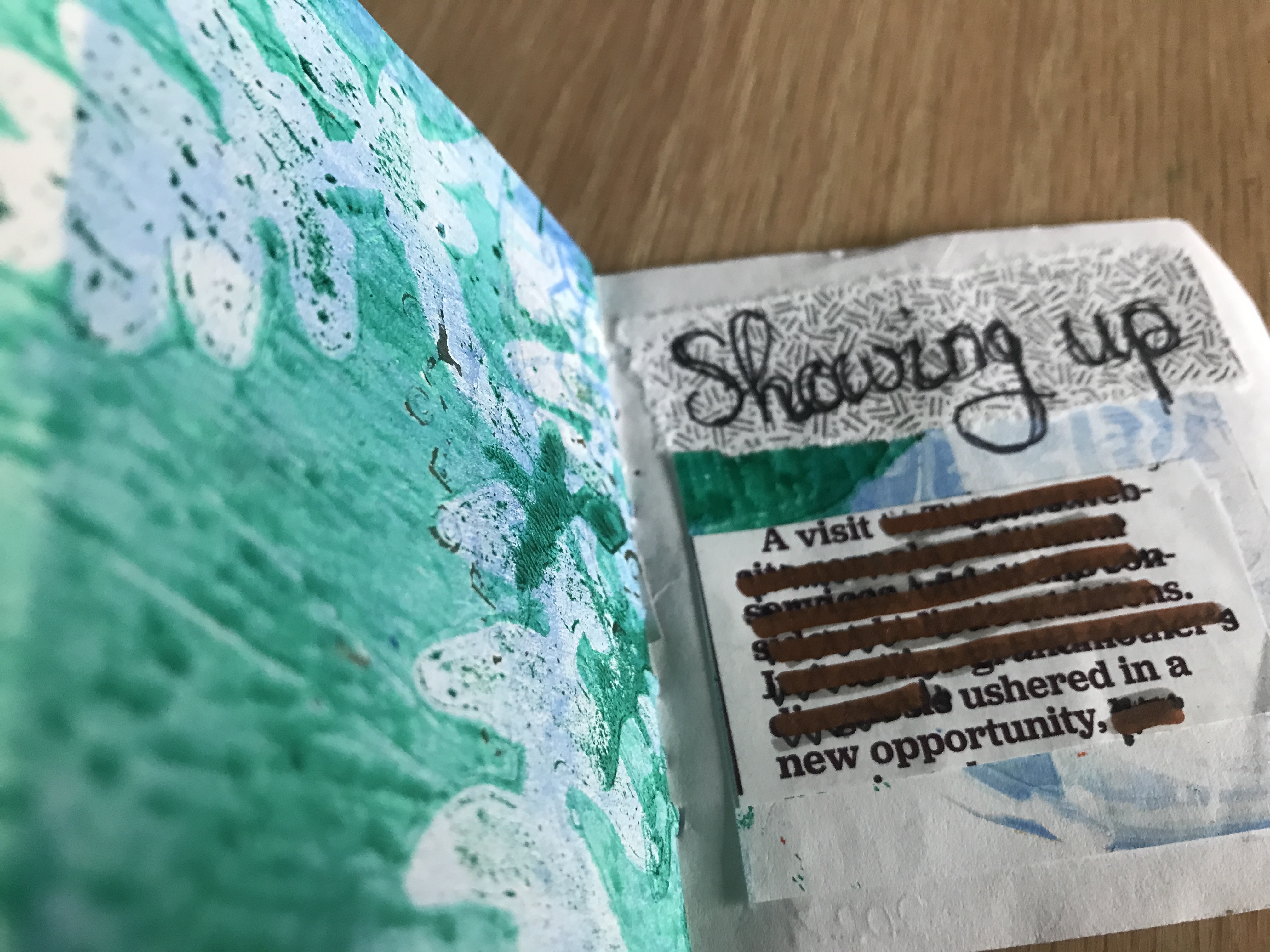
My experimentation was a series of “what-ifs.” I started with a single-sheet pocketbook. I made my own art paper with scribbles from my supplies of watercolor markers, acrylic ink pens, and some non allergic spray I had picked up from my friend’s table. I loved the look of the scribbles and single pocketbook folder. I then pushed further by adding a signature, then I sewed beads into the spine of another single signature book. Feeling bolder, I attempted a two-signature book with a cover, and I loved what I came up with. However, the thinner paper I had been using left the structure feeling a bit limp, even though I truly like the look. I know chefs talk about mouth-feel, this one did not have the right touch-feel.


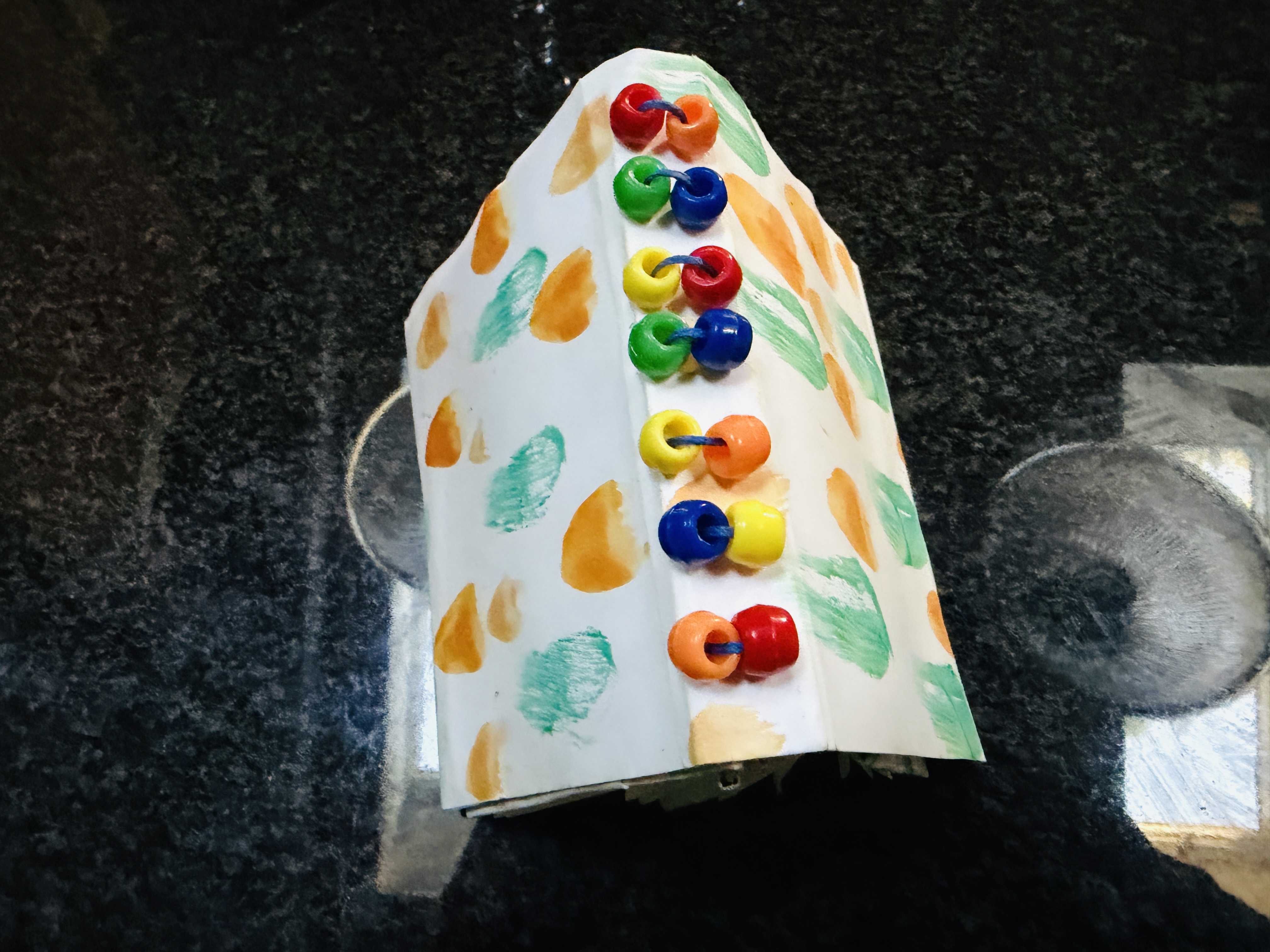
That was the moment I reached for the “stubborn” paper my friend had given me. Once I understood its limits and potential, it was the perfect solution. It had the exact heft I had been looking for. During the process, I accidentally forgot to add beads to the second row of the spine. It was a perfect “happy accident”; I decided to alternate between beads and stitches, and I ended up loving the “less is more” contrast. I do feel happy coming up with this structure, it was a perfect moment. To relive the same feel, I continued to make another book with the remaining scrap cover, but this time, I tinkered with a different spine stitch in clusters of four beads.
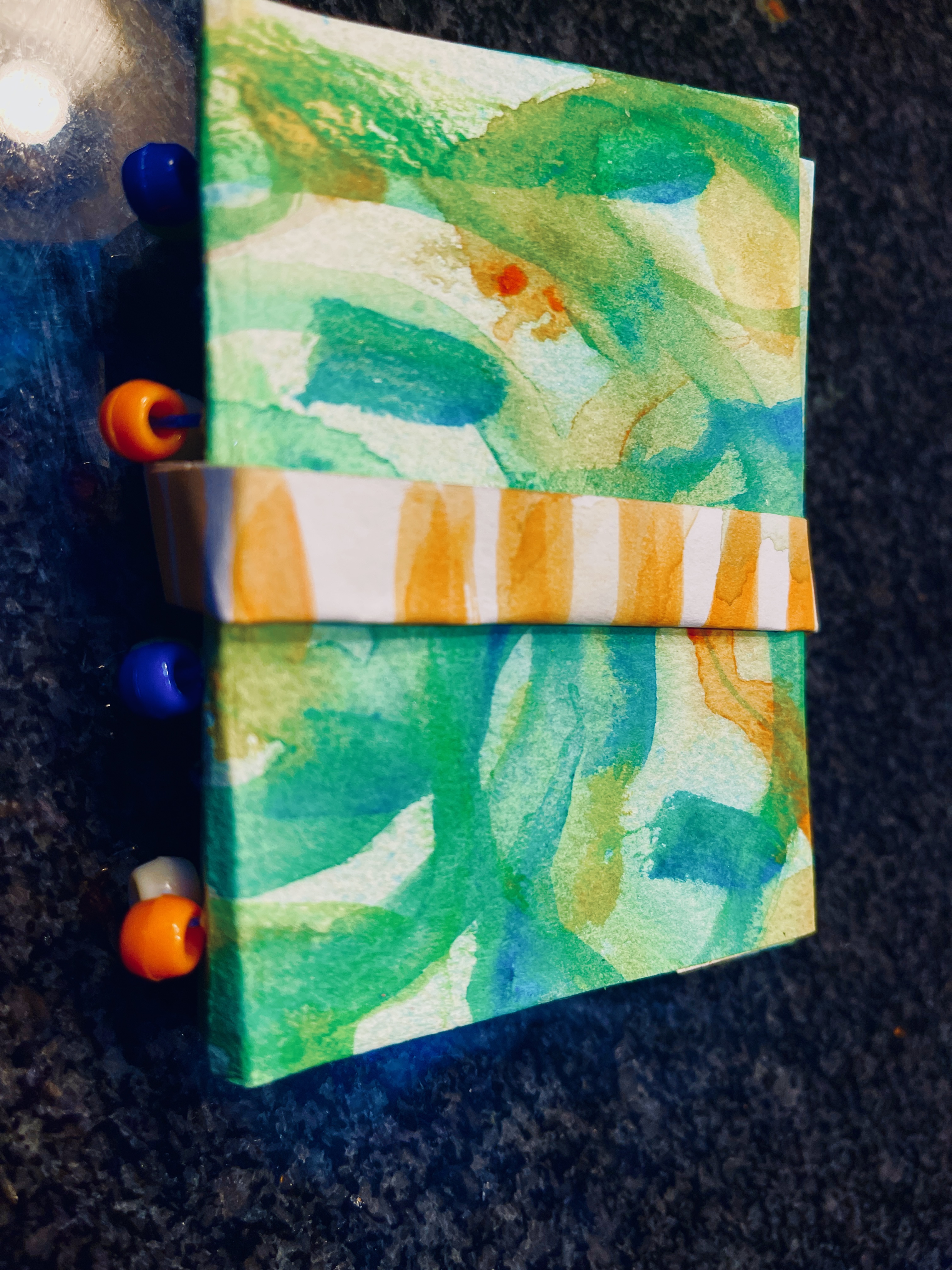
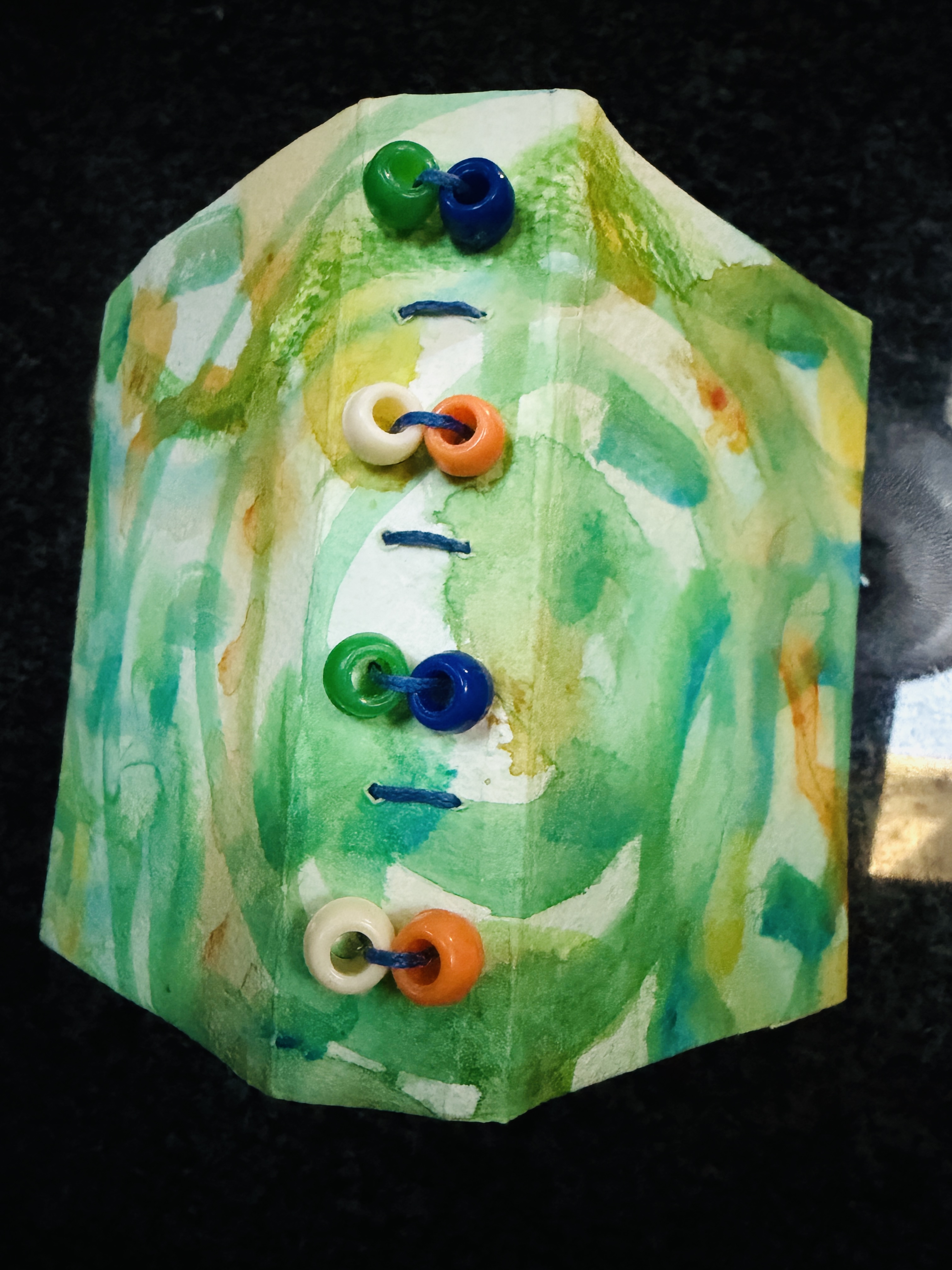

By the end of the day, I had several functional, art-filled books and a heart full of gratitude. This experience reminded me that art shouldn’t feel precious. When we lean into the generosity of friends and the unpredictability of “stubborn” materials, we don’t just consume, instead we create.
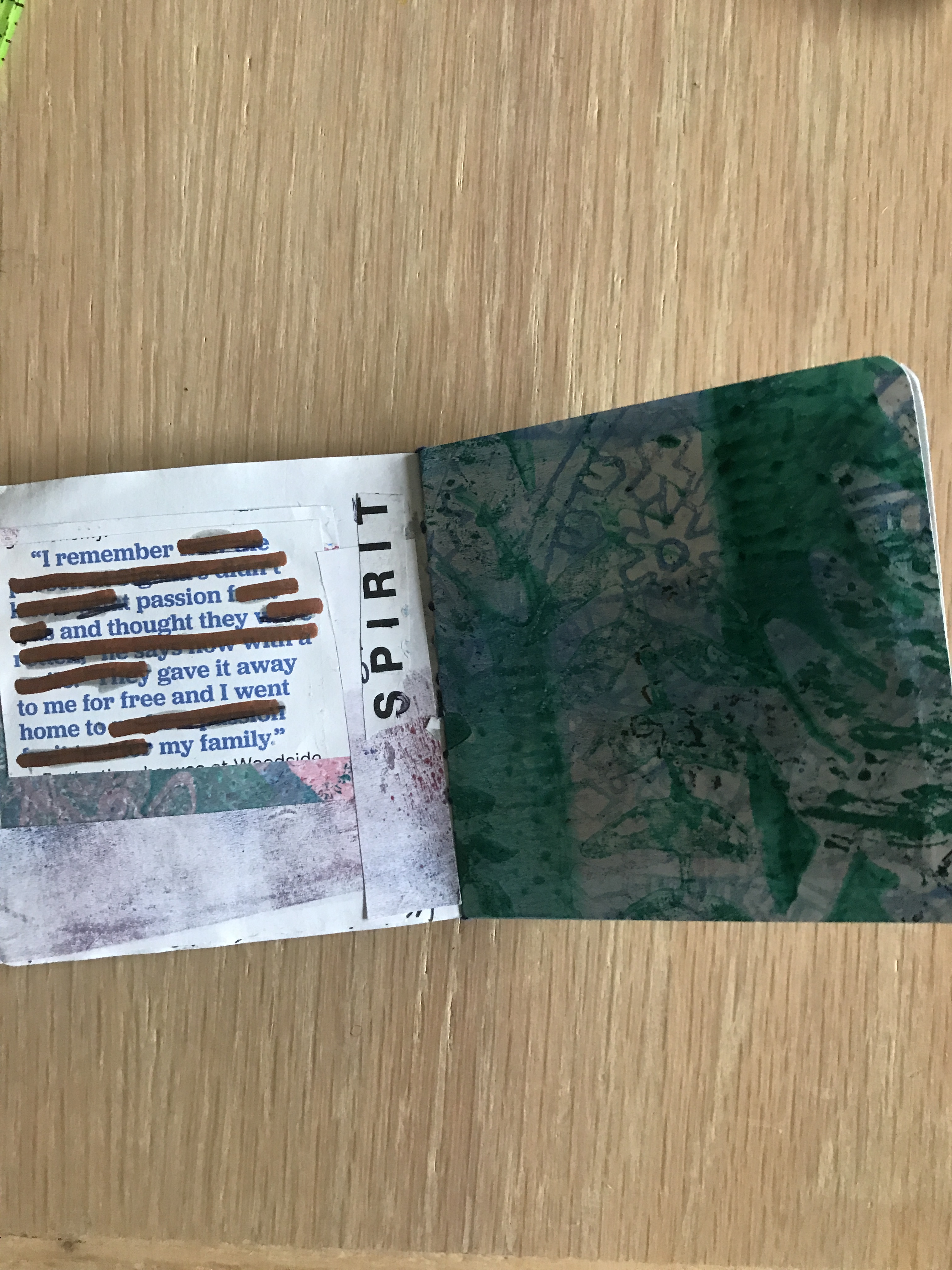
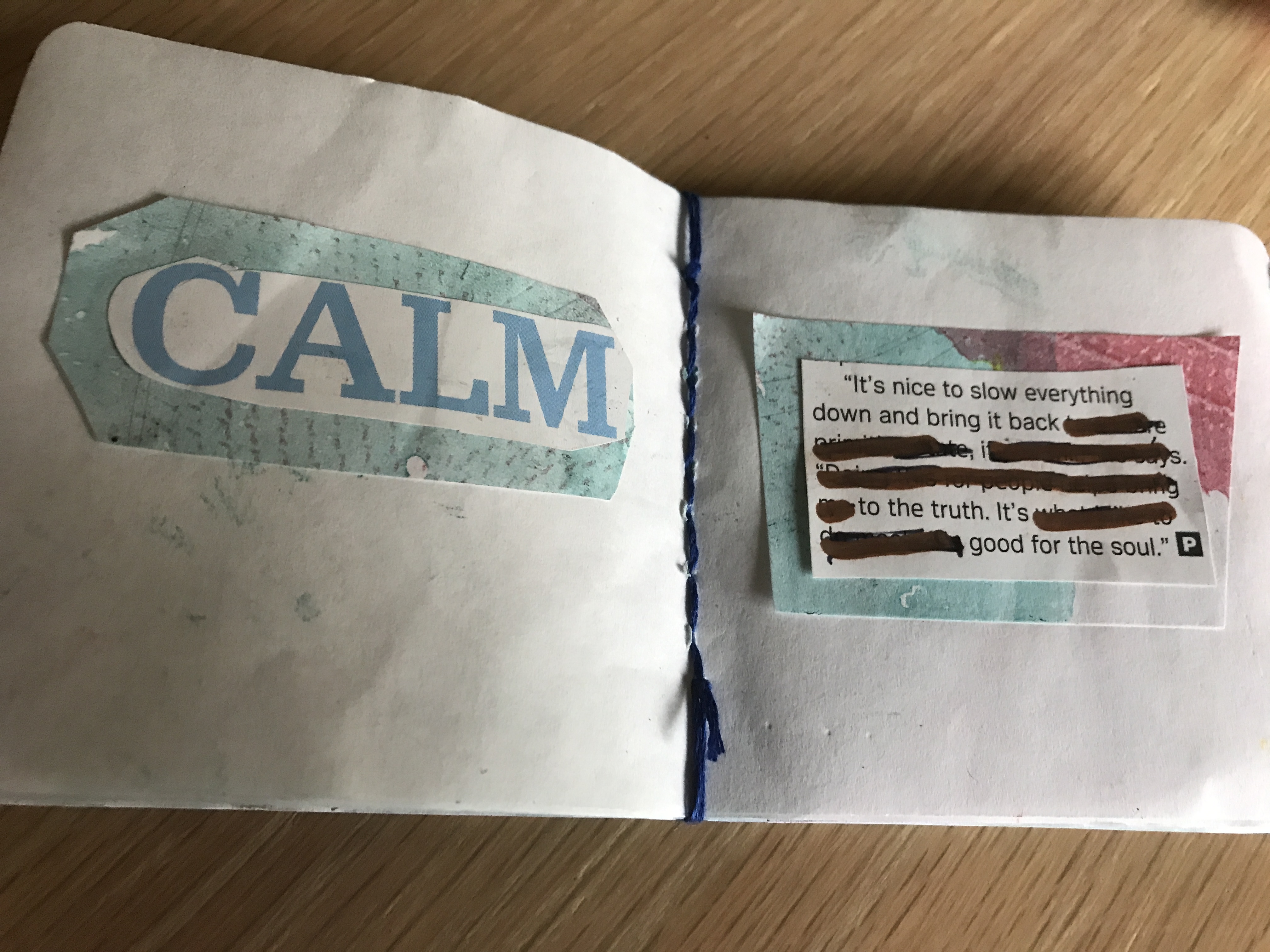
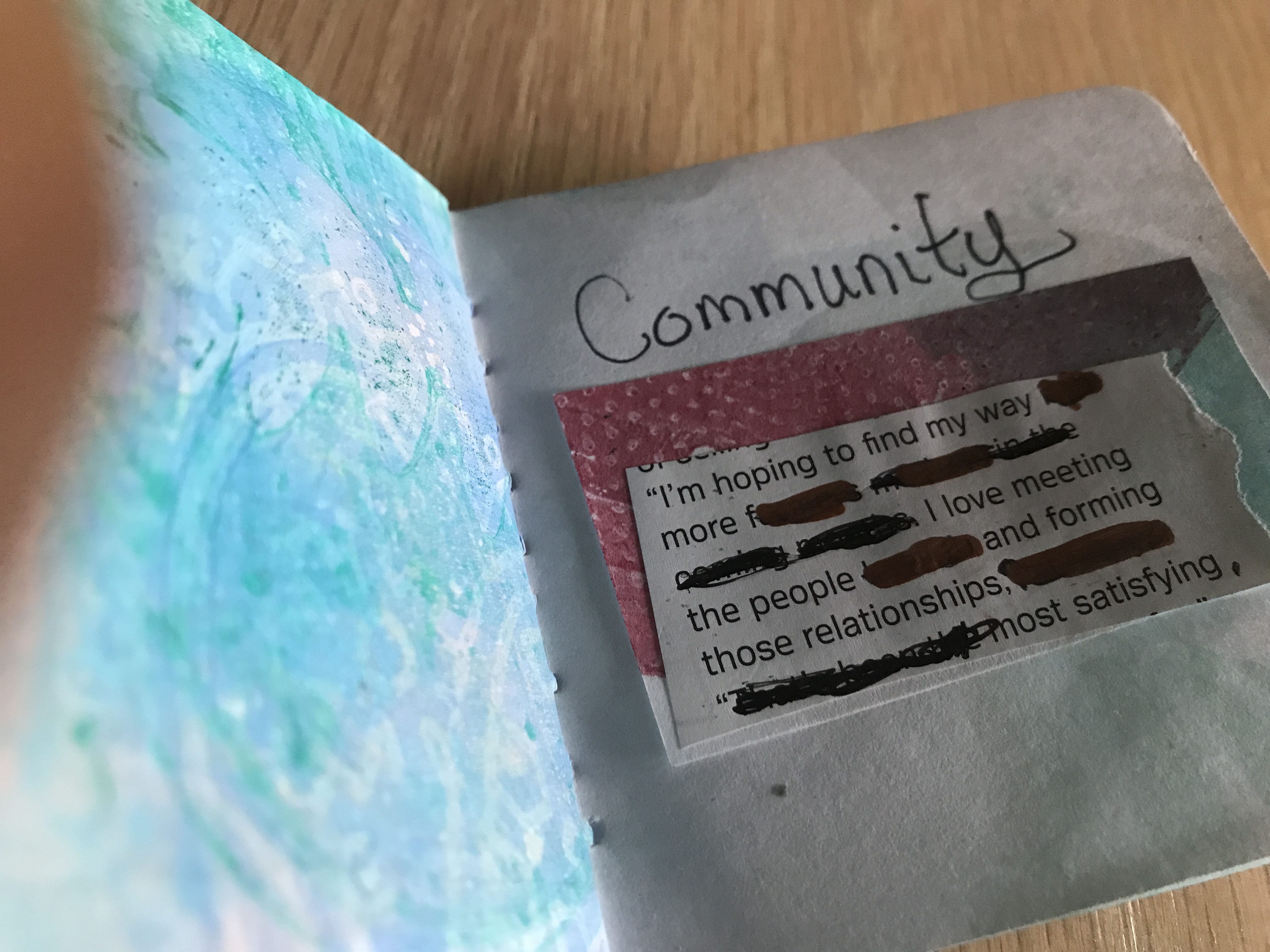
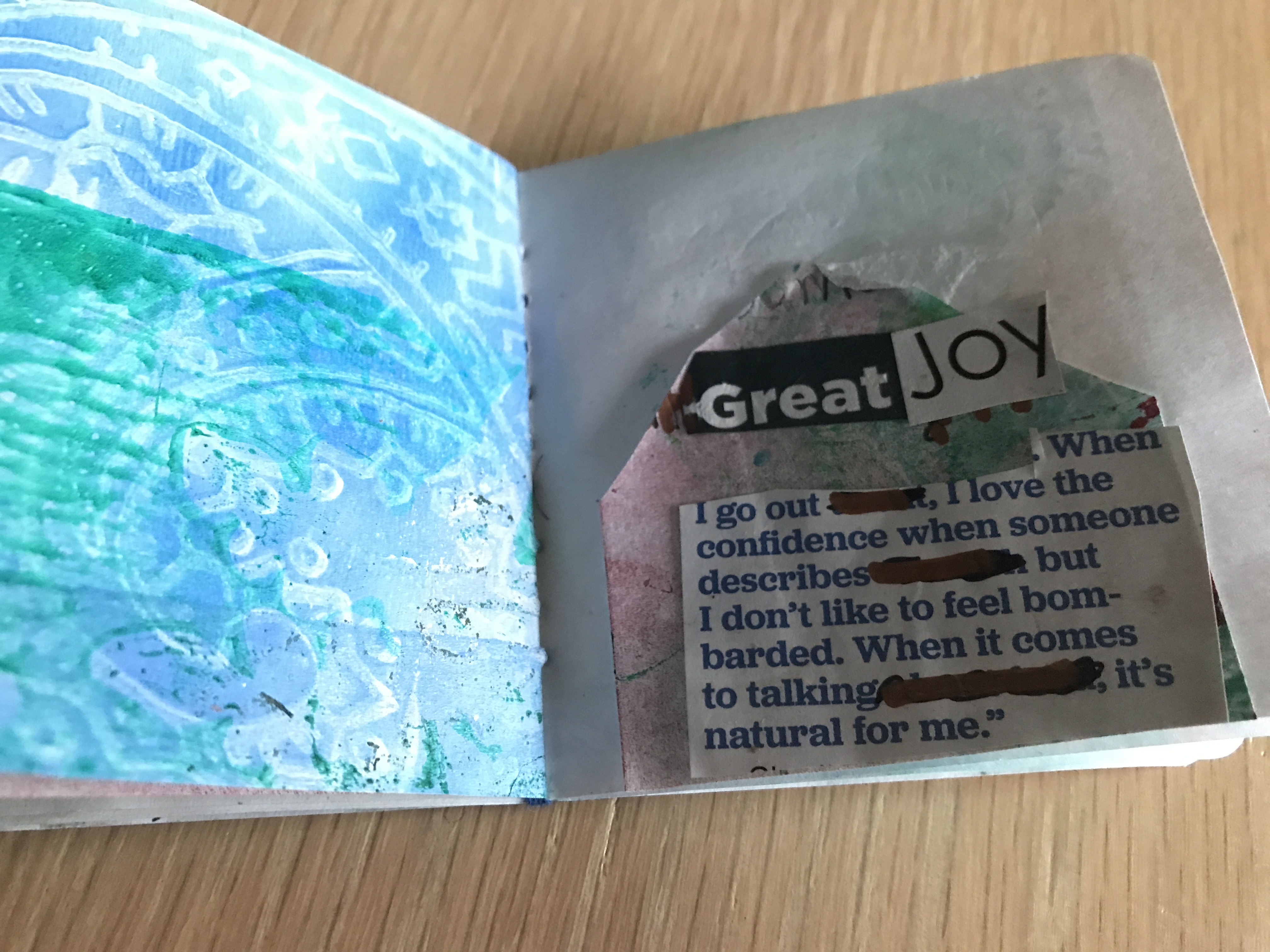
I foraged my yard, worked on repetitive mark making with watercolor, and rescued some doodles and scraps. Used twigs to fortify the spine, and I do confess, I like my new construction.

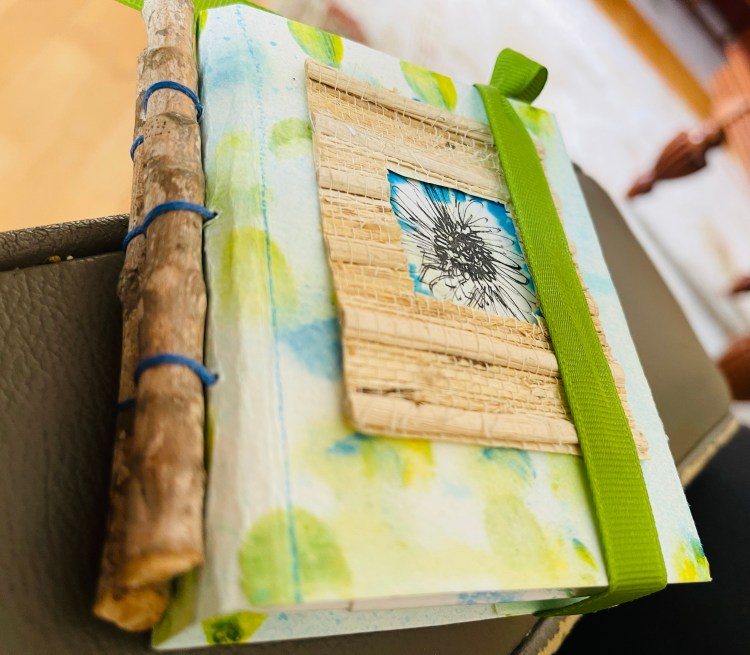


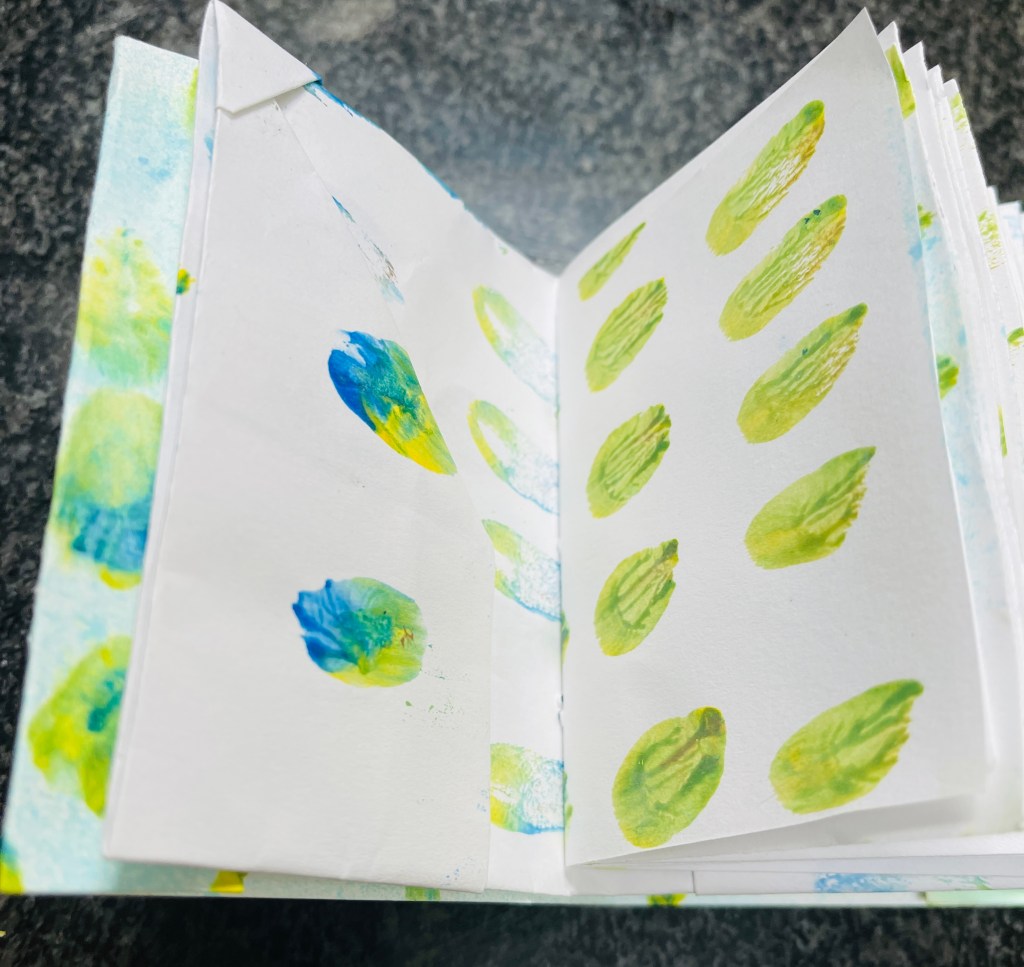
My book now holds fourteen pockets, with room for plenty more. Perhaps I’ll add one to the cover another day, but for now, my heart is too full to tinker. I feel creatively charged and ready to finally tackle those other materials I’ve been putting off. After all, the best way to handle a new supply isn’t to overthink, it’s to simply play.









 theinkybee.com